

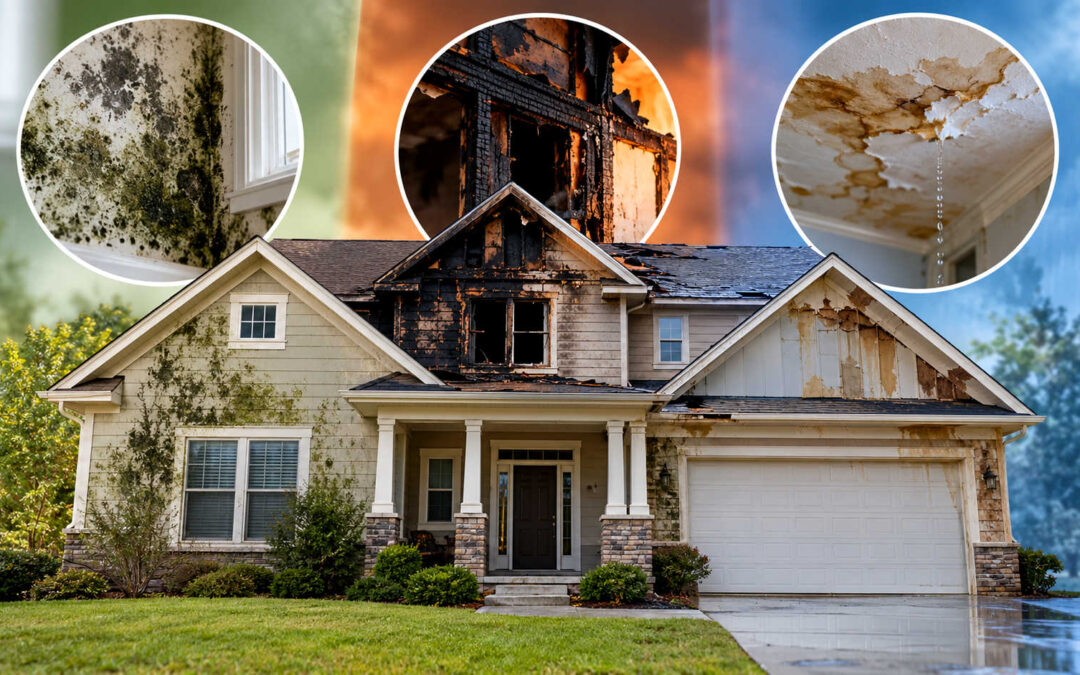
Discovering mold, dealing with the aftermath of a house fire, or finding extensive water damage can leave homeowners facing an overwhelming question: What do I do with this house now?
Between repair estimates, insurance claims, and concerns about the property’s value, the thought of putting a damaged house on the market may seem impossible. You might even wonder whether anyone would be interested in buying it.
The good news is that you can sell a house with mold, fire, or water damage. In many cases, you don’t even have to complete all the repairs before selling.
However, the condition of your home can affect its value, who is willing to buy it, and how the sale takes place. Understanding your options can help you decide whether repairing the damage or selling the property as-is makes the most sense.
Can You Sell a House with Mold Damage?
Yes, a house with mold can be sold, even if the problem hasn’t been completely resolved.
Mold is a common concern in homes that have experienced plumbing leaks, roof damage, flooding, or prolonged moisture problems. It can develop behind walls, beneath flooring, inside cabinets, and in areas that aren’t easily visible.
While a small mold problem may be relatively straightforward to address, extensive contamination can require professional remediation and repairs.
Why Does Mold Make a House Harder to Sell?
Many buyers are understandably cautious about purchasing a home with mold. Their concerns often extend beyond what they can see.
For example, buyers may worry about:
- Health concerns: Exposure to mold can cause allergic reactions, respiratory irritation, and other health problems, particularly for sensitive individuals.
- Hidden damage: Mold behind drywall or beneath flooring may indicate moisture problems that have gone unnoticed.
- Remediation costs: Professional mold removal may involve removing contaminated materials and repairing the original moisture source.
- Future problems: Buyers may wonder whether the mold will return after the property is purchased.
According to the Environmental Protection Agency (EPA), controlling moisture is essential to preventing mold growth. The agency recommends drying water-damaged areas and materials within 24 to 48 hours whenever possible.
For homeowners facing extensive mold damage, paying for remediation before selling isn’t always financially realistic.
Fortunately, some buyers are willing to purchase properties with existing mold problems, particularly when the purchase price reflects the condition of the house.
Can You Sell a House with Fire Damage?
A house doesn’t have to be completely destroyed for fire damage to create serious selling challenges.
Even a relatively small kitchen fire can leave behind smoke odors, damaged cabinets, compromised electrical wiring, and water damage from firefighting efforts. A larger fire may affect the roof, framing, walls, and other structural components.
You can sell a fire-damaged house without fully restoring it, but the severity of the damage will influence your available options.
What Makes Fire-Damaged Homes Difficult to Sell?
Fire damage creates several concerns that potential buyers may want addressed before committing to a purchase.
These can include:
- Structural damage that affects the home’s safety
- Smoke and soot contamination throughout the property
- Damaged electrical, plumbing, or HVAC systems
- Water damage resulting from firefighting efforts
- Uncertainty about the full cost of restoration
In some situations, the damage may be extensive enough that a traditional mortgage lender won’t approve financing until repairs are completed.
This can make finding a conventional buyer more difficult.
What If Insurance Doesn’t Cover Everything?
Homeowners sometimes discover that their insurance settlement doesn’t cover the full cost of rebuilding or restoration.
Deductibles, coverage limits, exclusions, and unexpected repair expenses may leave a significant financial gap.
If you’re dealing with this situation, selling the property in its damaged condition may be worth exploring.
Before making a decision, review your insurance policy and any open claims. Selling a damaged property can affect how unresolved insurance matters are handled, so it’s important to understand your rights and obligations.
Can You Sell a House with Water Damage?
Water damage is another problem that can complicate a home sale, particularly when moisture has spread into areas that aren’t immediately visible.
A burst pipe, leaking roof, overflowing appliance, or severe storm can cause substantial damage in a short amount of time.
And while some water damage is relatively minor, other situations can require extensive restoration.
How Serious Is the Water Damage?
Not all water-damaged houses face the same challenges.
A small plumbing leak that was quickly repaired is very different from a home that experienced several inches of standing water.
The biggest concerns often involve:
- Warped or deteriorating flooring
- Damaged drywall and insulation
- Moisture trapped inside walls or beneath floors
- Electrical system damage
- Mold growth following prolonged moisture exposure
- Damage to framing or other structural materials
A home may appear reasonably normal after the visible water has dried, but moisture-related problems can remain beneath the surface.
This uncertainty can make potential buyers hesitant.
What If the Water Damage Hasn’t Been Repaired?
You can still explore selling the property.
However, buyers will generally want to understand what caused the damage, whether the original problem has been corrected, and what repairs may still be necessary.
Selling as-is may be a practical choice when restoration costs are significant or when the homeowner doesn’t have the time, funds, or resources to complete the work.
Do You Have to Repair a Damaged House Before Selling?
No, you generally aren’t required to repair every problem before selling a house.
You may be able to sell the property in its current condition, provided the sale complies with applicable laws and contractual requirements.
This is commonly referred to as selling a house as-is.
An as-is sale means the buyer agrees to purchase the property in its existing condition under the terms of the contract. It does not automatically mean the buyer has waived inspections or that the seller has no disclosure responsibilities.
For homeowners dealing with significant damage, selling as-is can eliminate the need to complete major renovations before putting the property on the market.
However, there’s an important tradeoff.
A home requiring extensive repairs will generally sell for less than a comparable property in good condition. Buyers must consider the money, time, and risk involved in restoring the house.
The question becomes whether the potential increase in selling price after repairs is worth the expense and effort required to complete them.
Repair the House or Sell As-Is: Which Is Better?
There isn’t one right answer for every homeowner.
Your decision may depend on the amount of damage, your financial situation, the local housing market, and how quickly you need to sell.
Here’s a comparison of the two approaches.
| Factor | Repair Before Selling | Sell As-Is |
|---|---|---|
| Upfront expenses | May require significant repair costs | May avoid major upfront renovation costs |
| Time involved | Repairs can delay listing the home | May allow you to begin the selling process sooner |
| Potential selling price | May attract a higher price | Typically reflects needed repairs |
| Buyer pool | May appeal to more traditional buyers | May appeal primarily to investors and buyers comfortable with repairs |
| Unexpected problems | Additional damage may be discovered during restoration | Buyers may account for unknown repair costs in their offers |
| Homeowner involvement | May require managing contractors and inspections | May involve fewer renovation-related responsibilities |
For some homeowners, repairing the house before selling is the better financial decision.
For others, selling as-is provides an opportunity to move forward without investing additional money into a property they no longer want to maintain.
The best choice depends on what you’ll actually walk away with after accounting for repair expenses, holding costs, and selling costs.
Can a Damaged House Qualify for Traditional Buyer Financing?
One challenge homeowners sometimes overlook is that a buyer’s ability to obtain a mortgage may depend on the property’s condition.
Many mortgage programs have minimum property standards or appraisal requirements.
A house with significant structural damage, unsafe electrical systems, severe water intrusion, or other major defects may not qualify for certain types of traditional financing without repairs.
That doesn’t mean the property can’t be sold.
It means the pool of potential buyers may be smaller.
Some purchasers use cash or financing specifically designed for renovation projects. Others may have the resources and experience needed to restore distressed properties.
If you’re interested in understanding this issue further, read our article about getting financing on an as-is property.
Do You Have to Disclose Mold, Fire, or Water Damage in Texas?
Selling a home as-is does not mean you can ignore known problems or conceal serious damage.
In Texas, most sellers of previously occupied single-family homes are required to provide a Seller’s Disclosure Notice, although certain transactions are exempt.
Under Section 5.008 of the Texas Property Code, the disclosure addresses the seller’s knowledge of various property conditions.
Depending on the circumstances, these may include previous flooding, water penetration, fire damage, structural problems, and other known defects.
Homeowners should be truthful and complete when providing required information.
What If the Damage Happened Years Ago?
Previous damage can still be relevant, even if repairs were completed.
For example, a home that experienced flooding several years earlier may require disclosure of that event, depending on the applicable questions and requirements.
Keeping records of past repairs, inspections, remediation work, and insurance claims can help you provide accurate information to potential buyers.
The Texas Real Estate Commission provides the Seller’s Disclosure Notice used for many residential transactions.
If you’re uncertain about your disclosure obligations, consult a qualified Texas real estate professional or attorney.
What Should You Do Before Selling a House with Serious Damage?
If your home has mold, fire, or water damage, you don’t necessarily need to begin a complete renovation immediately.
Instead, consider taking a few practical steps to understand your situation.
1. Address Immediate Safety Concerns
Before worrying about selling, make sure the property is safe.
Serious fire damage, contaminated floodwater, exposed wiring, or structural instability can create dangerous conditions.
Do not enter unsafe areas or attempt major cleanup without appropriate professional guidance.
2. Document the Damage
Photographs, insurance reports, inspection findings, and contractor estimates can help establish the condition of the property.
These records may also be useful when discussing the house with prospective buyers.
3. Review Your Insurance Coverage
If the damage may be covered by homeowners insurance, contact your insurer to understand the claims process.
Avoid making assumptions about coverage or the amount you might receive.
If you have an open claim, clarify how a sale could affect it before signing a purchase agreement.
4. Estimate the Cost of Repairs
You don’t necessarily need a detailed estimate for every repair, but understanding the likely expenses can help you make an informed decision.
For example, a homeowner might discover that repairing a damaged property would require replacing flooring, drywall, cabinets, insulation, and portions of the electrical system.
Those costs can quickly change the financial outlook.
5. Compare Your Selling Options
Consider what it would take to restore the property compared with selling it in its current condition.
Don’t focus exclusively on the highest possible selling price.
Think about repair expenses, the time involved, mortgage payments, insurance, taxes, and the possibility of discovering additional problems.
Sometimes, a lower as-is offer can make financial sense when the cost and uncertainty of repairs are substantial.
Is Selling a Damaged House As-Is the Right Decision for You?
Imagine two homeowners dealing with similar water damage.
The first homeowner has sufficient insurance coverage, access to reliable contractors, and time to complete restoration. Repairing the property before selling may allow them to attract more buyers and potentially receive a higher selling price.
The second homeowner faces uncovered repair expenses, an ongoing mortgage payment, and limited funds for restoration.
For that homeowner, selling the property as-is may provide a more manageable path forward.
Neither approach is automatically better.
The important thing is understanding your choices before committing to expensive repairs or accepting an offer.
Frequently Asked Questions About Selling a Damaged House
Can I Sell a House with Black Mold?
Yes. A house with black mold can be sold, although the extent of contamination may affect buyer interest and the property’s value. Some buyers may request professional remediation, while others may consider purchasing the property as-is.
Can I Sell a House That Has Been Declared Uninhabitable?
Possibly. A property that is unsafe or uninhabitable may still have value, particularly to investors or buyers planning extensive renovations. However, local restrictions, liens, demolition orders, or other legal issues could affect the transaction.
Will a Bank Finance a House with Fire Damage?
It depends on the severity of the damage and the lender’s requirements. Significant safety or structural problems may prevent approval under certain mortgage programs. Cash purchases or specialized renovation financing may provide alternatives.
Does Homeowners Insurance Have to Pay for Repairs Before I Sell?
Not necessarily. Whether an insurer pays depends on the policy, cause of damage, coverage, and claim circumstances. Homeowners should clarify any outstanding insurance obligations before selling.
Can I Sell a House with Unrepaired Water Damage?
Yes. Buyers may be willing to purchase a house with existing water damage, especially when the purchase price reflects the repairs needed. Known problems must still be disclosed as required by law.
Will I Lose Money If I Sell My Damaged House As-Is?
Not necessarily, although an as-is property typically sells for less than a comparable home in good condition. Whether repairing first would produce a better financial outcome depends on renovation costs, selling expenses, carrying costs, and the final offers received.
Explore Your Options with Tunnell Real Estate
A house with mold, fire, or water damage may need considerable attention, but that doesn’t mean you’re out of options.
You may be dealing with an unexpected disaster, an inherited property that needs extensive repairs, or a house that has deteriorated over time. Whatever the circumstances, you deserve to understand your choices before committing to a costly renovation.
Selling as-is may be an option worth exploring, particularly if you’re ready to move on from a property that requires more work than you want to undertake.
Tunnell Real Estate helps homeowners explore options for selling properties in their current condition.
If you’re considering selling a house with mold, fire, or water damage, contact Tunnell Real Estate to discuss your property and learn what options may be available.
You may have more choices than you think.
Recent Comments